
A fabricator needed 3 tonnes of 50 x 6 mm MS flats for a gate and railing job. He ordered “3 tonnes” and assumed it would be enough for 250 pieces of 6 metre length. It was not. A 50 x 6 mm flat weighs about 2.35 kg per metre, so 3 tonnes gives roughly 1,275 metres, which is only 212 pieces of 6 m. He was 38 pieces short, and the second delivery cost him extra freight.
MS flats are sold by weight but used by length. This chart helps you convert between the two before you place the order.
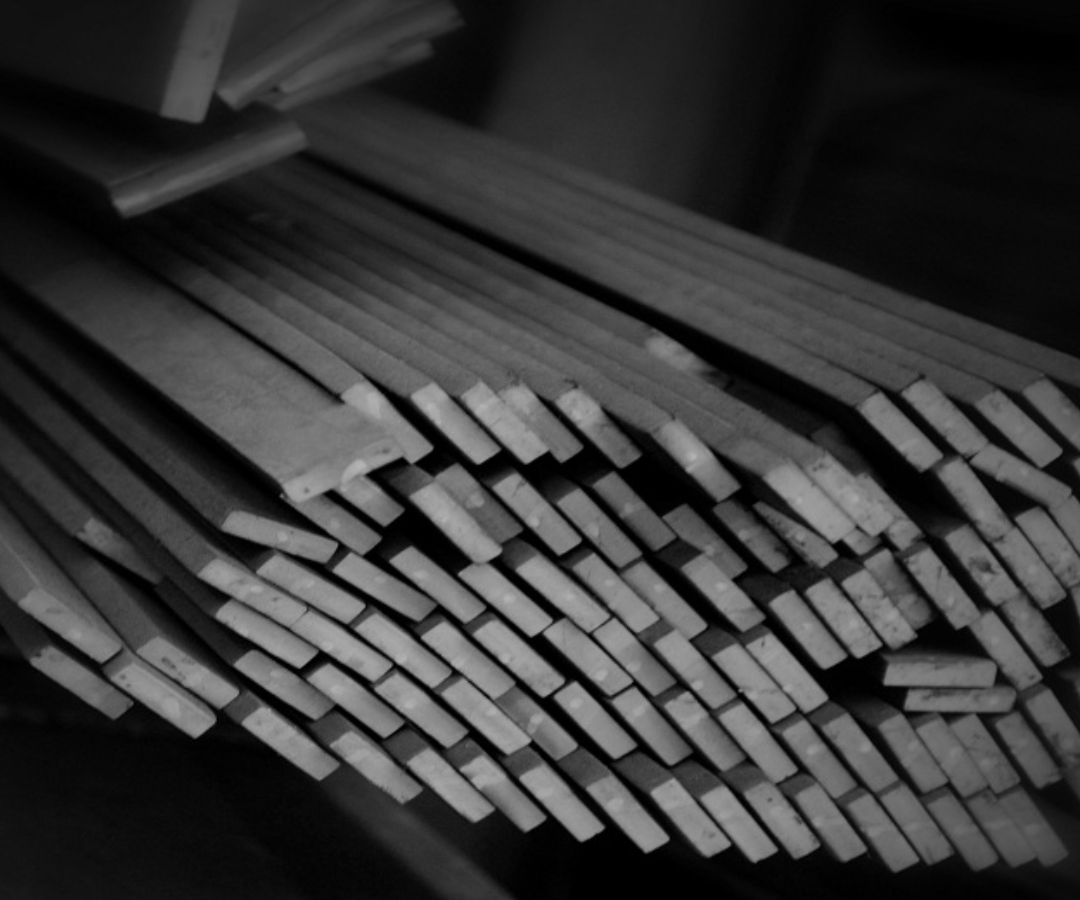
Quick answer: The weight of an MS flat in kg per metre is width (mm) x thickness (mm) x 7.85 divided by 1,000. A 50 x 6 mm flat weighs about 2.35 kg per metre, or about 14.1 kg for a 6 metre length. Use the chart below to find the weight per metre, the weight of a 6 m piece, and how many metres you get in one tonne.
MS Flat Weight Formula
Weight per metre (kg) = width (mm) x thickness (mm) x 7.85 / 1,000
Example: a 75 x 8 mm flat weighs 75 x 8 x 7.85 / 1,000 = 4.71 kg per metre. For a 6 m piece, multiply by 6 to get 28.3 kg.
The figure 7.85 is the density of mild steel in grams per cubic centimetre. These are theoretical weights. Actual weight can differ slightly because of rolling tolerance.
MS Flat Weight Chart
| Size (width x thickness, mm) | Weight per metre (kg) | Weight of 6 m piece (kg) | Metres per tonne (approx.) |
|---|---|---|---|
| 20 x 3 | 0.47 | 2.8 | 2,123 |
| 25 x 3 | 0.59 | 3.5 | 1,699 |
| 25 x 5 | 0.98 | 5.9 | 1,019 |
| 32 x 5 | 1.26 | 7.5 | 796 |
| 40 x 5 | 1.57 | 9.4 | 637 |
| 40 x 6 | 1.88 | 11.3 | 531 |
| 50 x 5 | 1.96 | 11.8 | 510 |
| 50 x 6 | 2.35 | 14.1 | 425 |
| 50 x 8 | 3.14 | 18.8 | 318 |
| 50 x 10 | 3.92 | 23.5 | 255 |
| 65 x 6 | 3.06 | 18.4 | 327 |
| 65 x 8 | 4.08 | 24.5 | 245 |
| 75 x 6 | 3.53 | 21.2 | 283 |
| 75 x 8 | 4.71 | 28.3 | 212 |
| 75 x 10 | 5.89 | 35.3 | 170 |
| 100 x 8 | 6.28 | 37.7 | 159 |
| 100 x 10 | 7.85 | 47.1 | 127 |
| 100 x 12 | 9.42 | 56.5 | 106 |
| 150 x 10 | 11.78 | 70.7 | 85 |
| 150 x 12 | 14.13 | 84.8 | 71 |
These are theoretical weights for mild steel. Ask us for sizes that are not listed.
How to Use the Chart for Your Order
- Find your size in the first column.
- Work out the total length you need, in metres. Add 3 to 5 percent for cutting waste.
- Multiply the length by the weight per metre to get the total weight in kg.
- Convert to tonnes by dividing by 1,000, and use that figure in your enquiry.
Example: you need 400 pieces of 50 x 6 mm flat, each 1.5 m long. Total length is 600 m. Weight is 600 x 2.35 = 1,410 kg, or about 1.41 tonnes. Add a small allowance for waste and ask for 1.5 tonnes.
What to Mention When You Ask for a Quote
- Size: width and thickness in mm.
- Length: standard length or cut-to-length. Tell us the length you need.
- Quantity: in tonnes or pieces.
- Grade or standard: for example IS 2062 for structural use.
- Delivery location: city or site address.
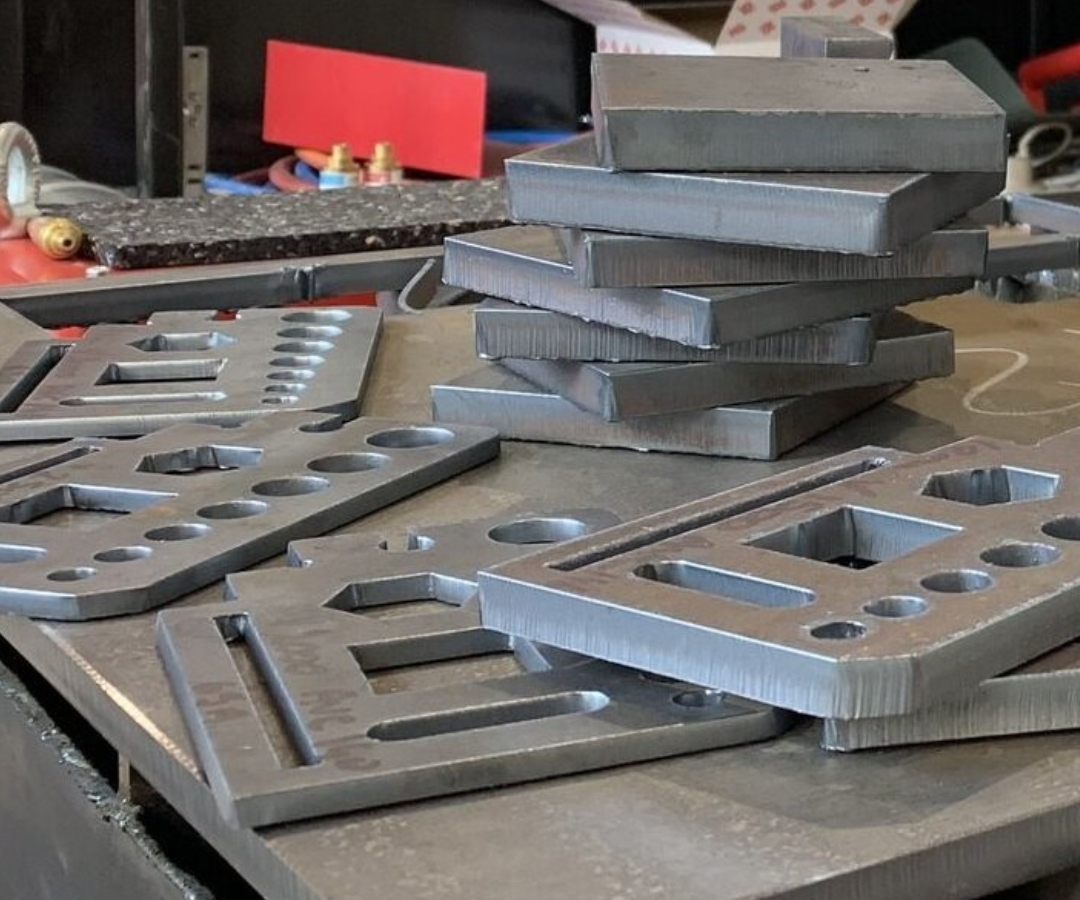
- Processing: cutting, drilling or profile cutting, if needed.
Not sure what to include? Use our bulk steel quote checklist.
Related Weight Charts
Frequently Asked Questions
How do I calculate the weight of an MS flat?
Multiply width (mm) by thickness (mm) by 7.85, then divide by 1,000. The result is the weight in kg per metre.
How much does a 50 x 6 mm MS flat weigh?
About 2.35 kg per metre, or about 14.1 kg for a 6 metre length.
How many metres of flat do I get in one tonne?
Divide 1,000 by the weight per metre. For a 50 x 6 mm flat, that is about 425 metres.
Is the chart weight the same as the actual weight?
No. The chart gives theoretical weight. Actual weight can vary slightly because of rolling tolerance, so confirm the billing basis with your supplier.
Can you cut flats to my length?
Yes. We offer cut-to-length support. Mention your lengths and quantity in the enquiry.
Do you supply from Bhavnagar and Surat?
Yes. See our Bhavnagar and Surat pages.
Need MS Flats? Get a Clear Quote
Send us the size, length, quantity and delivery location. We will confirm availability and come back with a clear quote.
Call 7226060911 or send your requirement below.
