
An architect specified Corten steel panels for the outer wall of a farmhouse. The fabricator bought ordinary mild steel plates, painted them rust-brown, and delivered them to site. For a few months the wall looked right. Then the paint began to peel, and bare mild steel started to rust unevenly, the way ordinary steel does. The client had paid for weathering steel and got painted mild steel.
Corten is not a colour. It is a type of steel that is designed to rust in a controlled way. This guide explains what that means and what to ask for when you buy it.
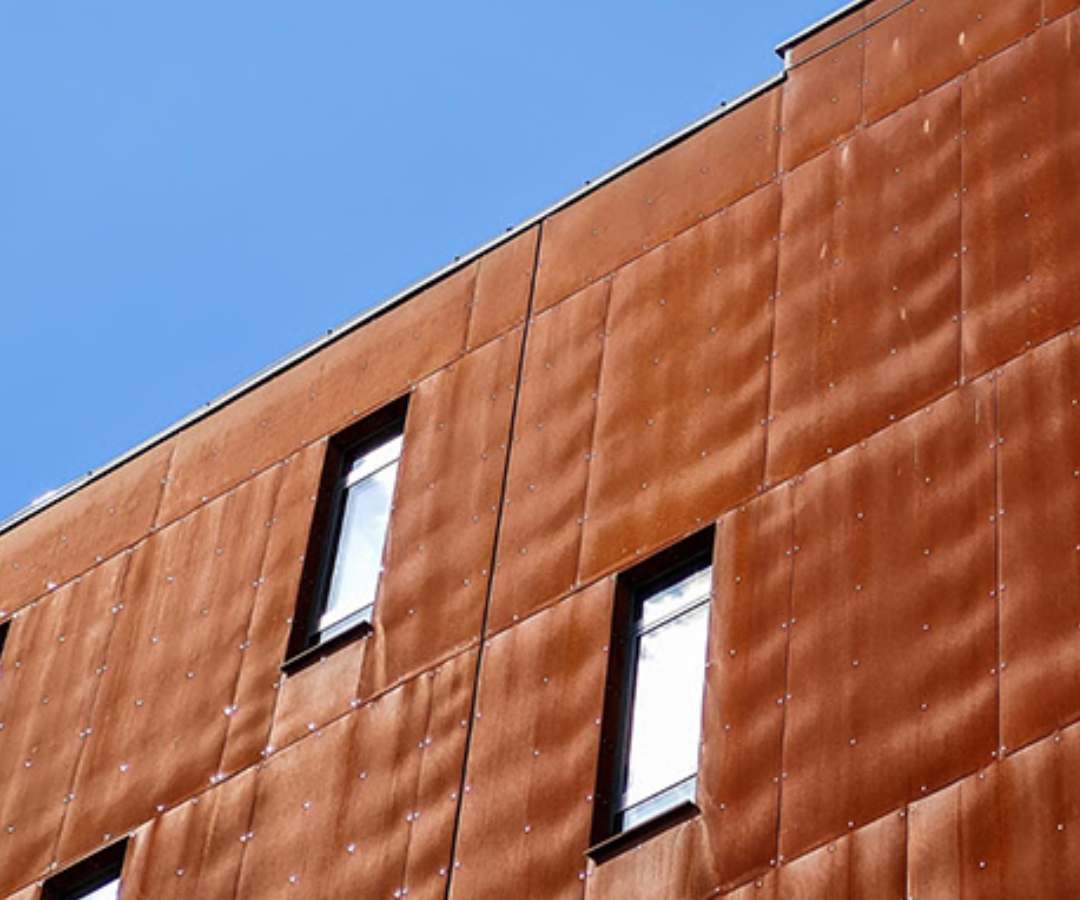
Quick answer: Corten steel, also called weathering steel, is a low-alloy steel with small amounts of copper, chromium, nickel and phosphorus. When exposed to repeated wet and dry weather, it forms a tight rust layer (patina) that slows further corrosion, so it can be used without paint in many outdoor jobs. It is used for bridges, railway wagons, containers, building facades, planters and sculptures. When you order, state the grade or standard, thickness, size, quantity and whether you need a test certificate.
What Is Corten Steel?
“Corten” started as a trade name. Today, most buyers use it to mean any weather-resistant structural steel. The steel contains small alloy additions that change how it rusts.
- On ordinary steel, rust is loose and flaky. It falls off and exposes fresh metal, so corrosion keeps going.
- On Corten, the rust forms a dense, firmly attached layer. That layer slows the attack on the steel below it.
This protective layer needs time and the right conditions to form. Fresh Corten looks like ordinary grey steel and turns orange-brown, then deeper brown, over several months.
Common Grades and Standards
- IS 11587: the Indian standard for structural weather-resistant steel.
- ASTM A242 and ASTM A588: widely referenced international standards for weathering structural steel.
- Trade names: “Corten A” and “Corten B” are common names used in the market. Treat them as a starting point and ask the supplier for the standard and grade on the test certificate.
Use the standard that your drawing or your client specifies. Do not assume that all “Corten” plates are the same.
Where Corten Steel Is Used
- Bridges and structures where painting is difficult or costly to repeat
- Railway wagons and containers
- Building facades and cladding
- Landscape work: planters, garden screens and edging
- Sculpture and signage
- Chimneys, hoppers and storage structures
When Corten Is Not the Right Choice
- Constantly wet or submerged steel. The patina needs wet and dry cycles to form.
- Coastal or salt-laden air. Salt can stop a stable layer from forming.
- Steel buried in soil. The conditions are too wet for the patina to stabilise.
- Places where rust stains are not acceptable. In the first months, rust water can stain concrete, stone and tiles below.
If your site is near the sea or stays wet, ask a structural engineer before choosing Corten.
What to Check Before You Order
- Standard and grade: for example IS 11587 or ASTM A588, as your drawing says.
- Thickness, width and length: write them out in full.
- Test certificate: chemical analysis (copper, chromium, nickel and phosphorus) and mechanical results.
- Surface condition: for facades, ask about the surface finish and handling, since scratches and oil marks affect how it weathers evenly.
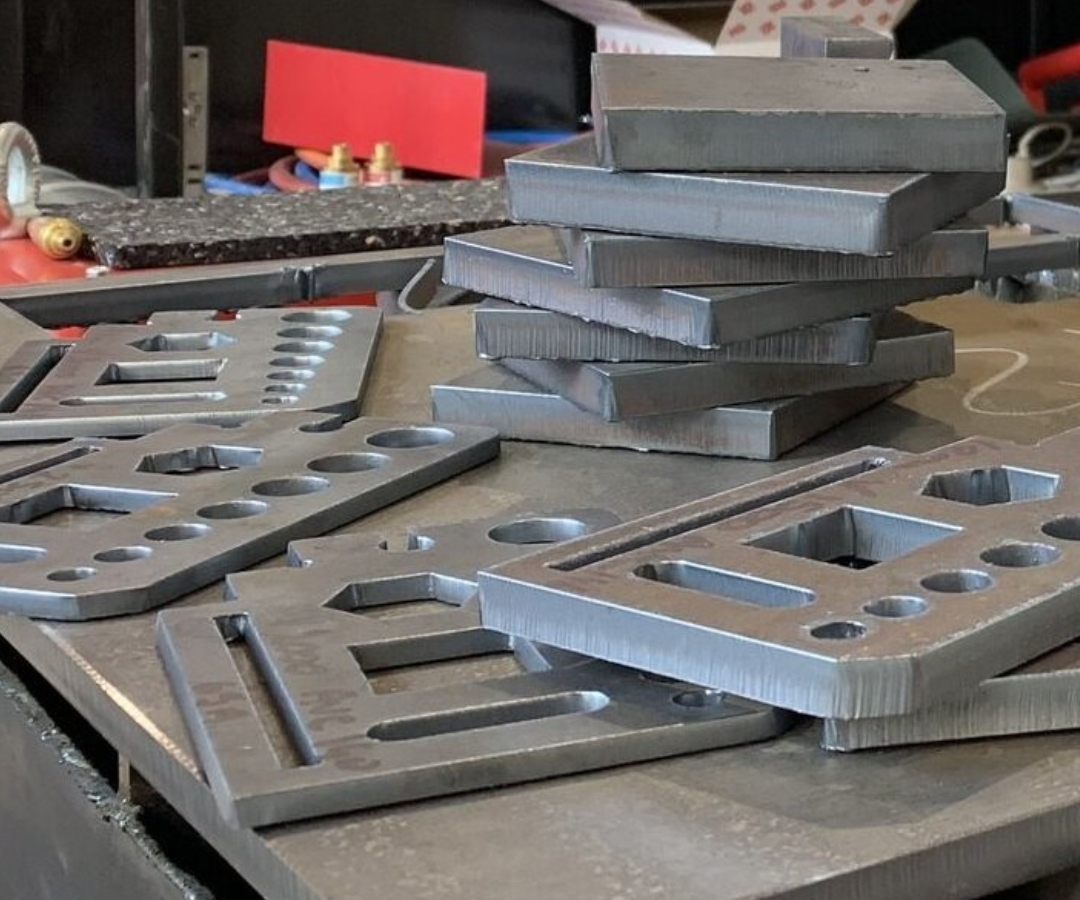
- Cutting and processing: profile cutting, if you want panels cut to size.
- Welding: use consumables suited to weathering steel so the weld ages like the plate.
- Quantity and delivery location.
How to Estimate Plate Weight
Weight (kg) = thickness (mm) x width (m) x length (m) x 7.85
Example: a 3 mm sheet, 1.25 m wide and 2.5 m long weighs 3 x 1.25 x 2.5 x 7.85 = 73.6 kg.
For more on plate sizes, see our steel plate buying guide. To compare quotes properly, use our bulk steel quote checklist.
Common Mistakes Buyers Make
- Buying painted mild steel as “Corten look”. It will not weather the same way.
- Ordering without a grade or test certificate. You cannot prove what you received.
- Using it in the wrong environment. Coastal or always-wet sites need a different plan.
- Ignoring runoff. Plan for rust water in the first months.
Frequently Asked Questions
Is Corten steel the same as rusted mild steel?
No. Corten has alloy elements that make the rust layer dense and protective. Ordinary mild steel keeps rusting and flaking.
Does Corten steel need painting?
Not in suitable outdoor conditions. The patina protects the steel. In harsh or coastal sites, a coating system may still be needed.
How long does Corten take to develop its colour?
Usually several months, depending on weather. It forms faster with regular wet and dry cycles.
Can Corten steel be cut and welded?
Yes. It can be profile cut and welded with suitable consumables.
Do you supply Corten steel?
Corten steel is part of our range. Tell us the grade, thickness and size you need and we will confirm availability.
Do you supply from Bhavnagar and Surat?
Yes. See our Bhavnagar and Surat pages.
Need Corten Steel? Get a Clear Quote
Send us the grade, thickness, size, quantity, delivery location and whether you need cutting or a test certificate. We will confirm availability and come back with a clear quote.
Call 7226060911 or send your requirement below.
