
A fabricator once ordered “boiler plate” for a pressure vessel job and only wrote the thickness on the purchase order. The plates arrived, looked fine, and were cut and welded. At inspection, the client asked for the mill test certificate. It showed a general structural grade, not a pressure vessel grade. The whole batch had to be replaced, and the delivery date slipped by three weeks.
“Boiler quality” is not a size. It is a standard, a grade and a paper trail. This guide explains what to ask for so the right plate arrives the first time.
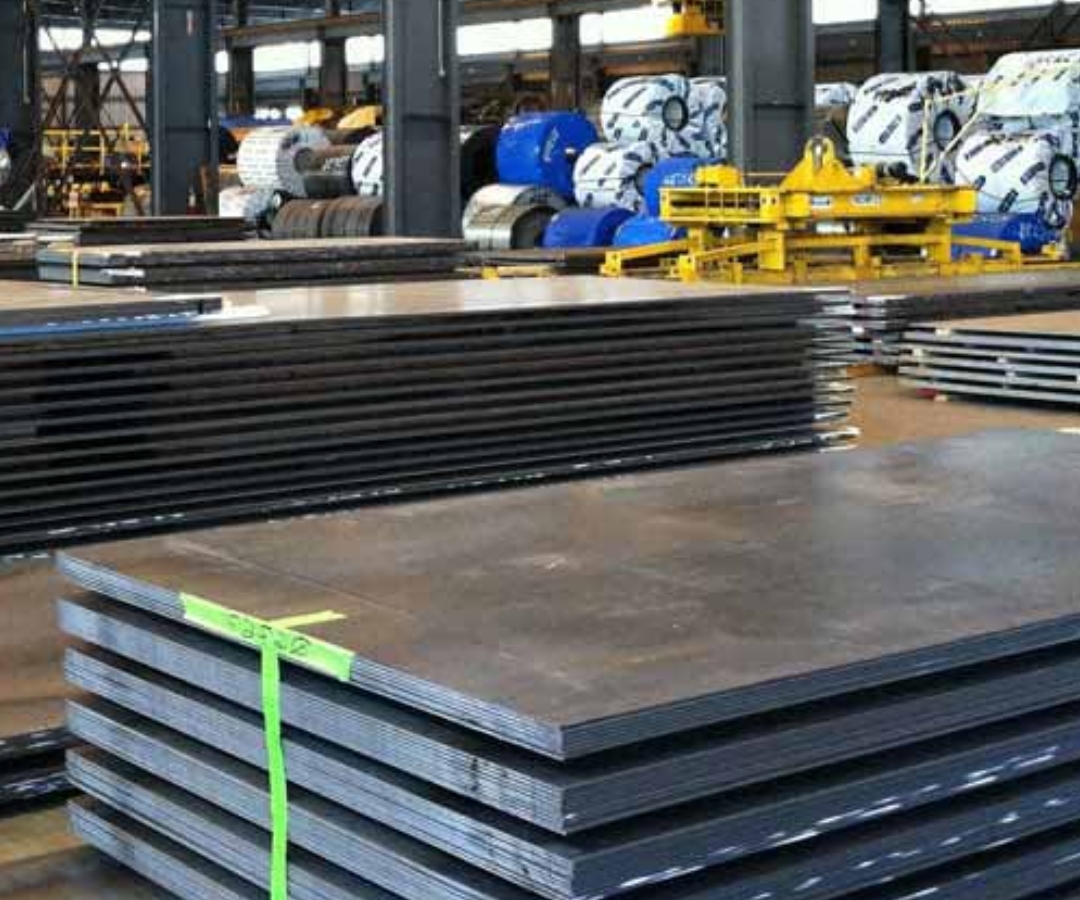
Quick answer: Boiler quality steel plates are carbon steel plates made to a pressure vessel standard such as IS 2002 or ASTM/ASME SA 516. They have controlled chemistry and tested strength, and they come with a mill test certificate. For most boilers, pressure vessels and heat exchangers in India, buyers ask for IS 2002 Grade 2A or 2B, or SA 516 Grade 60, 65 or 70. Always state the standard, grade, thickness and whether you need normalised plates and a test certificate.
What Are Boiler Quality Steel Plates?
Boiler quality plates are used where the steel has to hold pressure and heat safely. Typical uses include:
- Boilers and steam drums
- Pressure vessels and air receivers
- Heat exchangers and reactors
- Industrial storage tanks that run under pressure
A normal mild steel plate is made to be strong enough for structures. A boiler quality plate is made to a tighter chemical limit and is tested, so it behaves predictably under stress and temperature.
Common Standards: IS 2002 vs SA 516
Two standards cover most enquiries in Indian industry.
- IS 2002: the Indian standard for steel plates used in pressure vessels, including boilers, for intermediate and high temperature service. It has Grades 1, 2A and 2B.
- ASTM/ASME SA 516: a widely used carbon steel standard for pressure vessel plates in moderate and lower temperature service. It has Grades 55, 60, 65 and 70.
Many projects are specified in SA 516 Grade 70 because export and EPC drawings use ASME codes. Domestic projects often use IS 2002. Check your drawing or inspector’s requirement before you order. Do not assume the two are interchangeable.
SA 516 Grades at a Glance
| Grade | Minimum yield strength | Tensile strength range |
|---|---|---|
| SA 516 Gr 60 | 220 MPa | 415 to 550 MPa |
| SA 516 Gr 65 | 240 MPa | 450 to 585 MPa |
| SA 516 Gr 70 | 260 MPa | 485 to 620 MPa |
A higher grade number means higher strength. Grade 70 is the most requested. Always confirm the exact values against the mill test certificate for your batch.
What to Check Before You Place the Order
- Standard and grade: write it in full, for example “SA 516 Gr 70” or “IS 2002 Gr 2B”. Not just “boiler plate”.
- Thickness, width and length: plate sizes and tolerances change the final weight and cost.
- Delivery condition: as-rolled or normalised. Many pressure vessel jobs ask for normalised plates.
- Mill test certificate (MTC): it should show the heat number, chemical analysis and mechanical test results, and match the marking on the plate.
- Additional tests: ultrasonic testing, impact tests or third-party inspection, if your project requires them.
- Plate marking: grade, heat number and thickness should be visible on each plate.
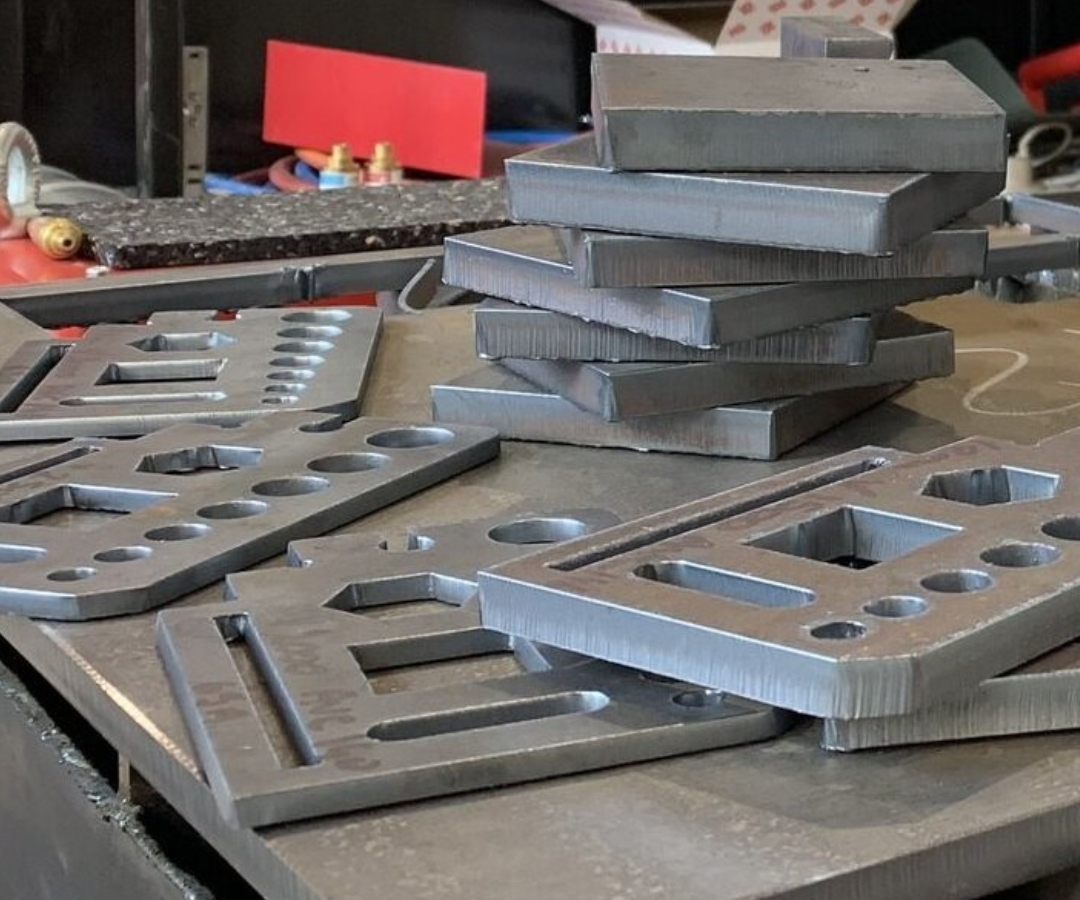
- Cutting or processing: profile cutting, if you want plates cut to size before dispatch.
How to Estimate Plate Weight
Steel is usually priced by weight, so check your quantity with this formula:
Weight (kg) = thickness (mm) x width (m) x length (m) x 7.85
Example: a 10 mm plate, 1.5 m wide and 6 m long weighs 10 x 1.5 x 6 x 7.85 = 706.5 kg.
For more on sizes and weights, see our steel plate buying guide and the guide on high tensile steel plates.
Common Mistakes Buyers Make
- Writing “boiler plate” with no grade. The supplier has to guess, and a guess can be wrong.
- Accepting a plate with no test certificate. Without an MTC, you cannot prove the grade.
- Mixing up IS 2002 and SA 516. They are different standards with different requirements.
- Ignoring the delivery condition. Normalised and as-rolled plates are not the same product.
- Comparing quotes with different tolerance or freight terms. Compare on the same basis, as covered in our bulk steel quote checklist.
Frequently Asked Questions
What is the difference between boiler quality plate and normal MS plate?
Boiler quality plate is made to a pressure vessel standard with controlled chemistry and tested mechanical properties. Normal MS plate is made for general structural use.
Which is better, IS 2002 or SA 516 Grade 70?
Neither is better in general. Use the one your drawing, code or inspector specifies. SA 516 Gr 70 is common on ASME-based projects, and IS 2002 is common on Indian-standard projects.
Do I need a mill test certificate?
Yes, for any pressure-related use. It shows the grade, heat number and test results for the plates you receive.
Can boiler quality plates be cut to size?
Yes. We offer profile cutting and cut-to-length support. Mention your drawing and sizes in the enquiry.
Do you supply from Bhavnagar and Surat?
Yes. See our Bhavnagar and Surat pages.
Need Boiler Quality Plates? Get a Clear Quote
Send us the standard, grade, thickness, size, quantity, delivery location and whether you need a test certificate. We will confirm availability and come back with a clear quote.
Call 7226060911 or send your requirement below.
