
Every construction site, fabrication unit, and manufacturing plant runs on one decision most people get wrong the first time: picking the right steel product for the job. Order the wrong grade of plate or the wrong section, and you’re looking at delays, rework, and cost overruns that could have been avoided with a five-minute check.
This guide breaks down the major categories of steel products used across construction and manufacturing in India today, so you know exactly what to ask for before you place your next order.
Structural Steel Sections: Angles, Channels, Beams & Columns
Structural sections form the skeleton of most buildings, sheds, and industrial frames. They’re chosen for their strength-to-weight ratio and ease of fabrication.
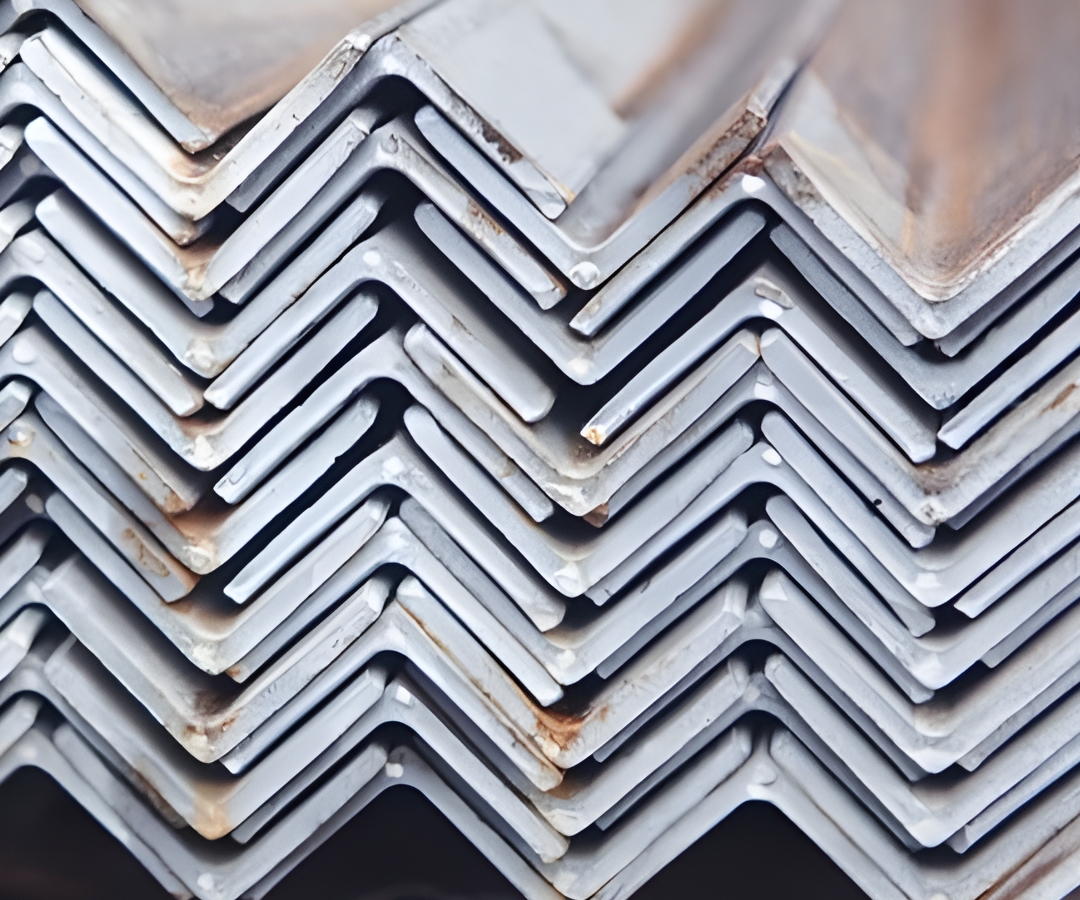
- Angles – L-shaped sections used for bracing, trusses, and support frames.
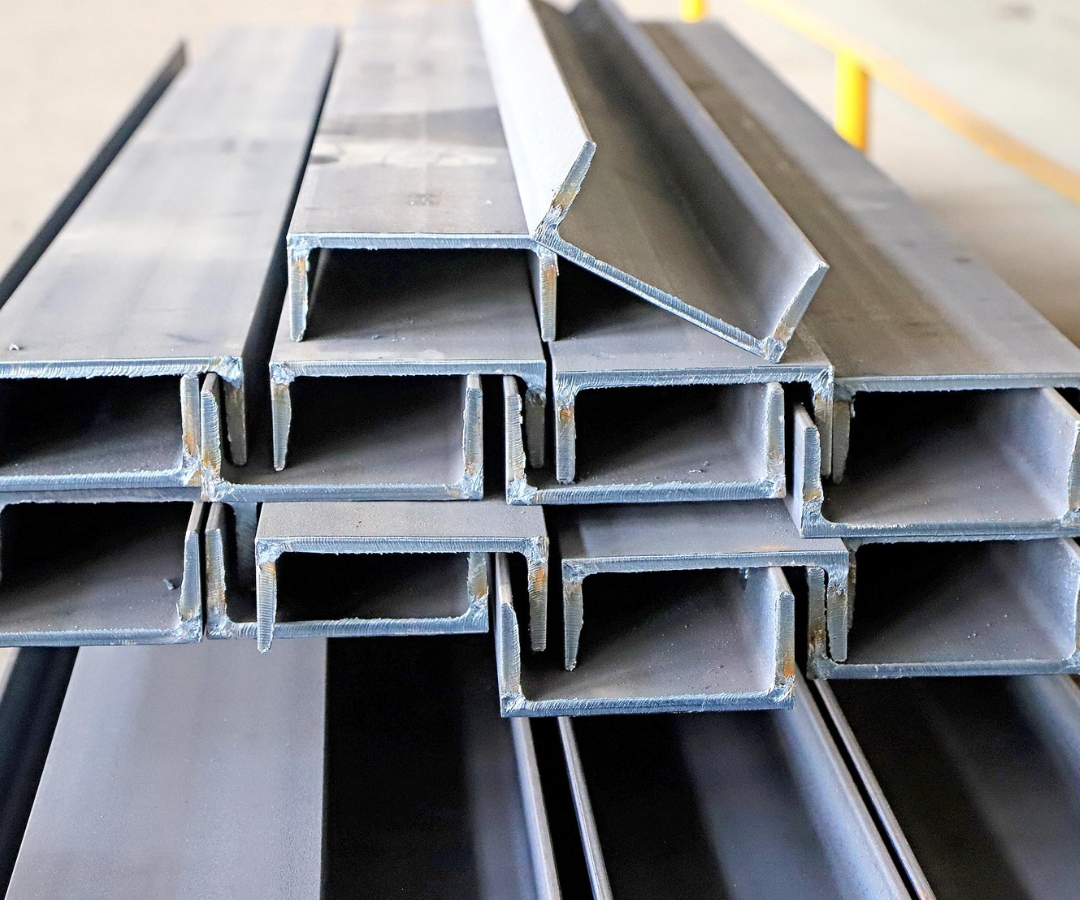
- Channels – C-shaped sections offering good bending resistance, common in purlins and rail structures.
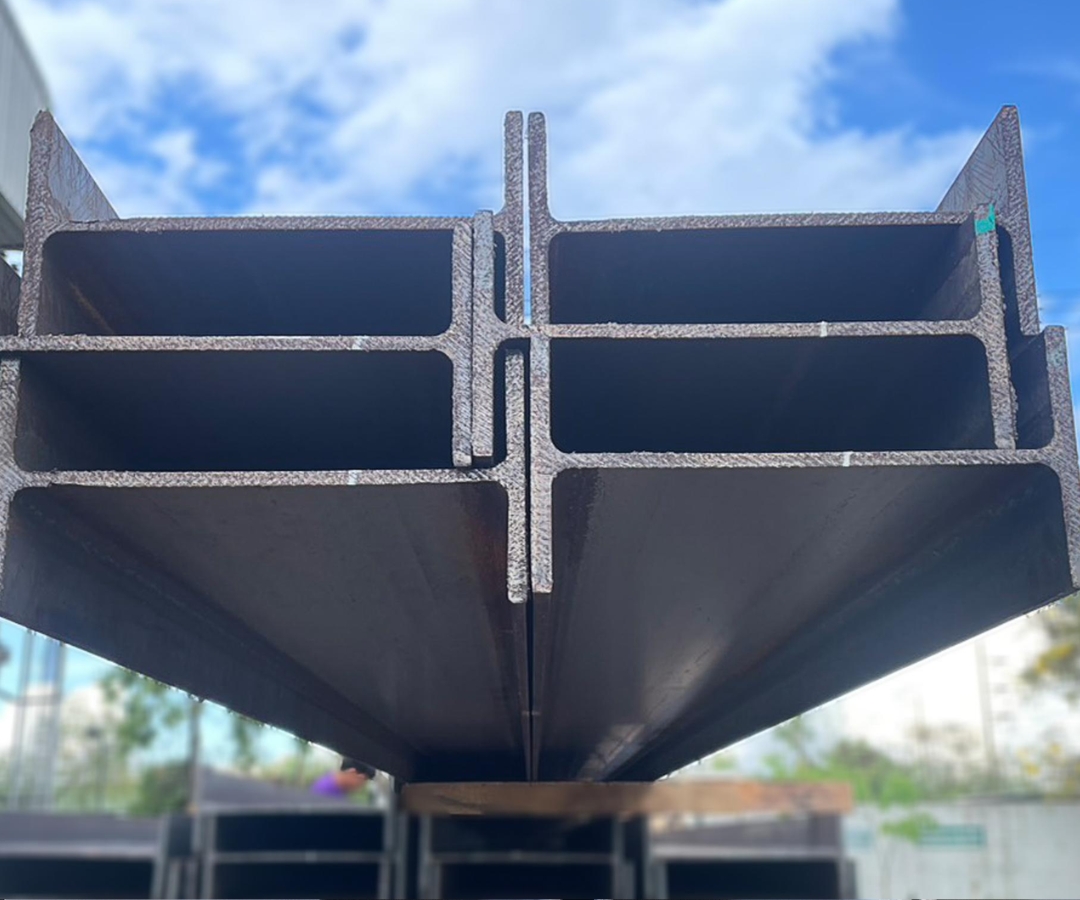
- Beams and columns – I-shaped and box sections that carry the primary structural load in multi-storey and industrial buildings.
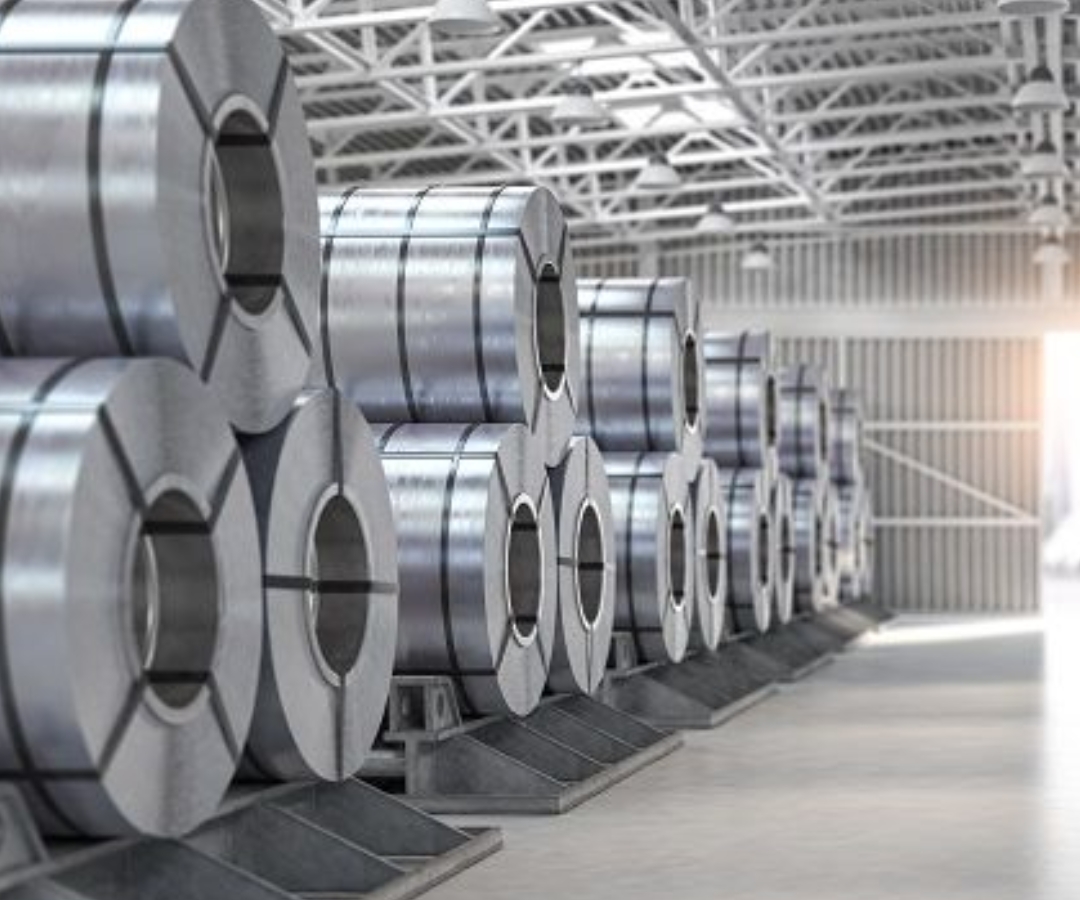
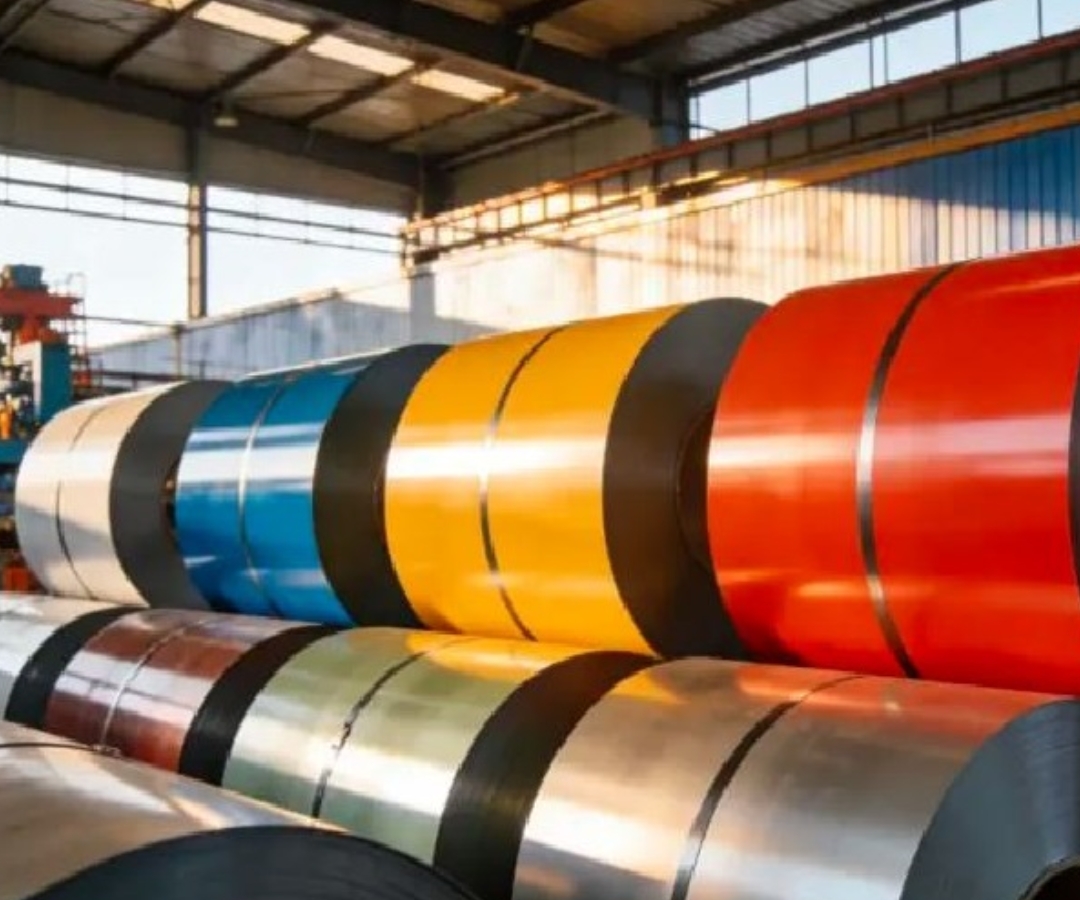
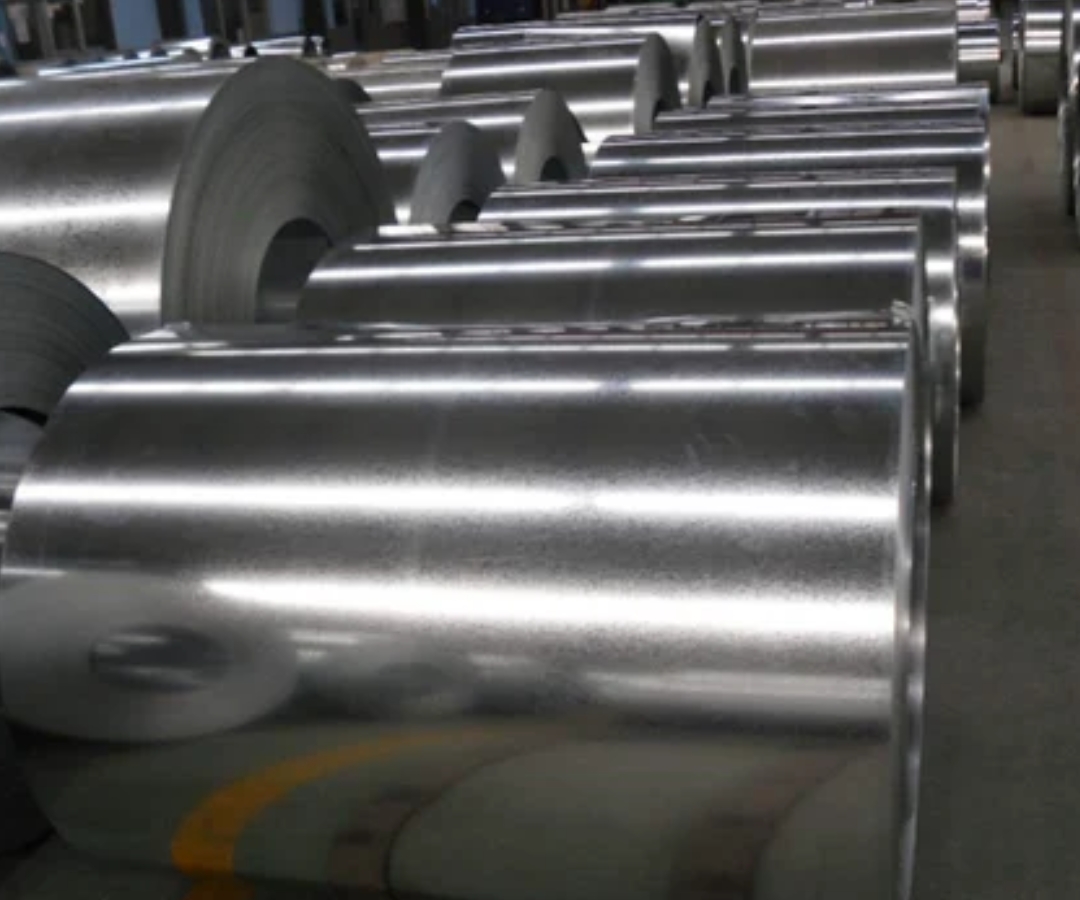
Flat & Coil Steel: Hot Rolled, Cold Rolled, GP and PPGI
Coil products are the raw material behind everything from car panels to roofing sheets. Choosing between them usually comes down to surface finish, thickness tolerance, and formability.
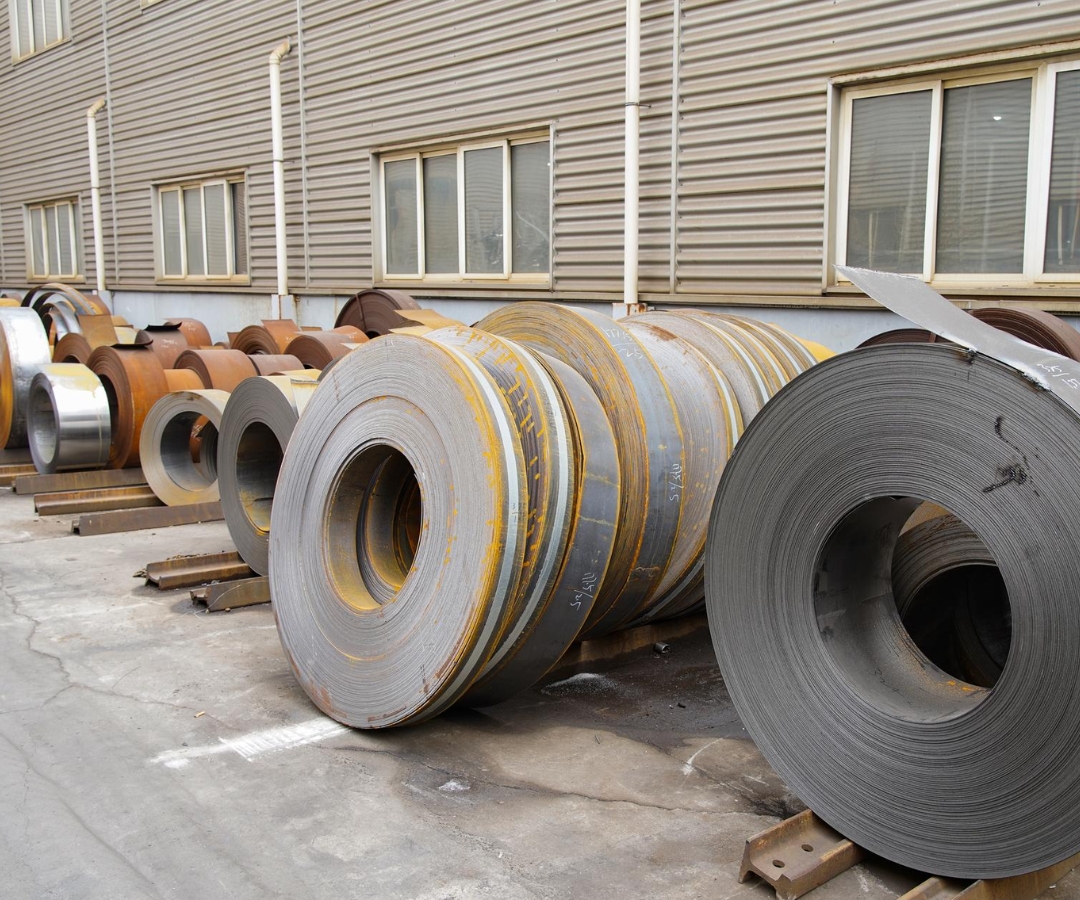
- Hot Rolled (HR) Coils – processed at high temperature, cost-effective, and suited to structural and heavy fabrication applications where tight tolerances aren’t critical.
- Cold Rolled (CR) Coils – re-rolled at room temperature for a smoother finish and tighter thickness control, used in appliances, automotive panels, and precision components.
- GP Sheets & Coils and PPGI Coils – galvanized and pre-painted variants that add corrosion resistance, commonly used for roofing, cladding, and outdoor structures.
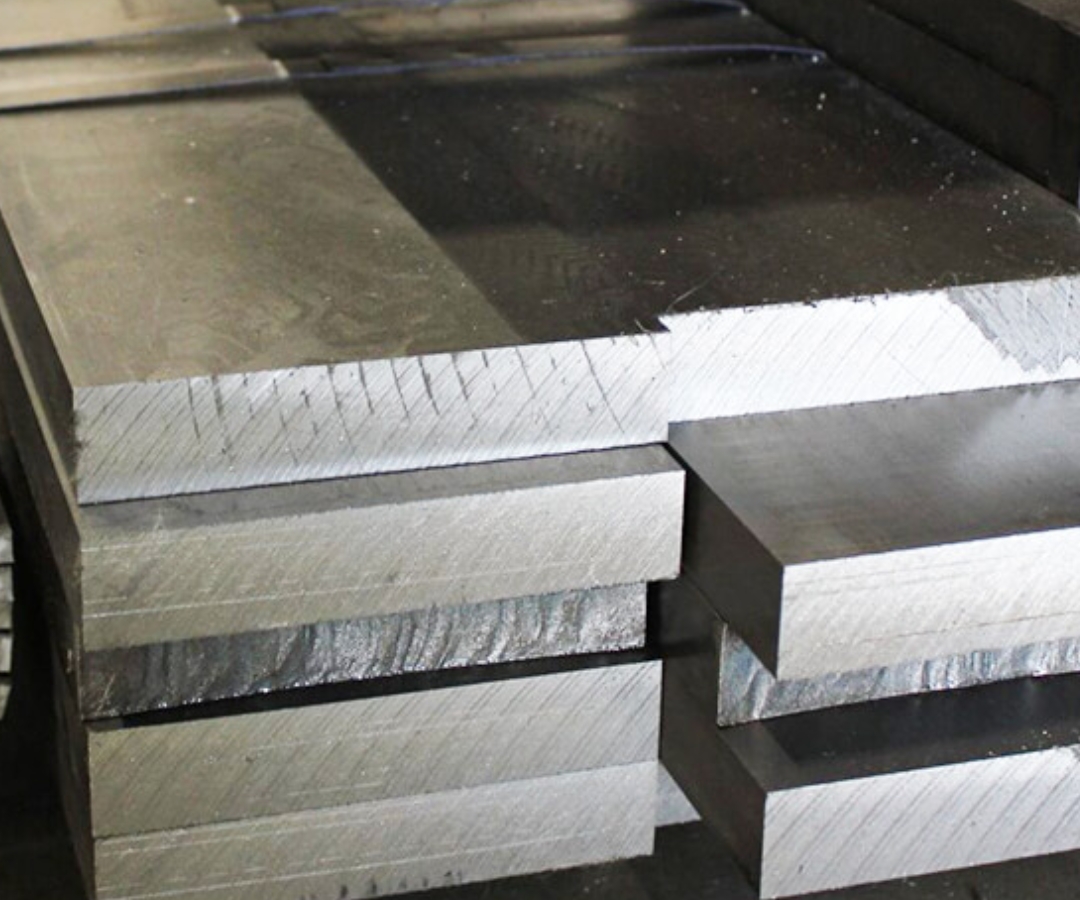
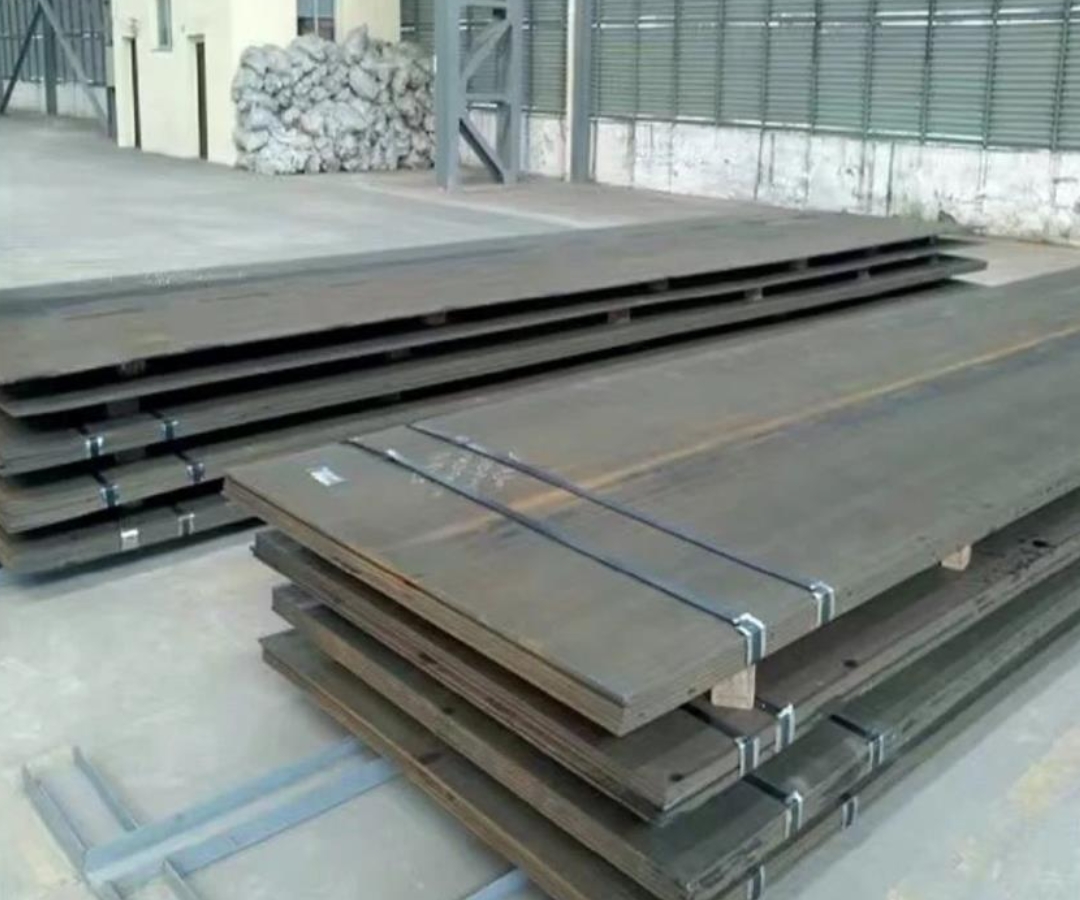
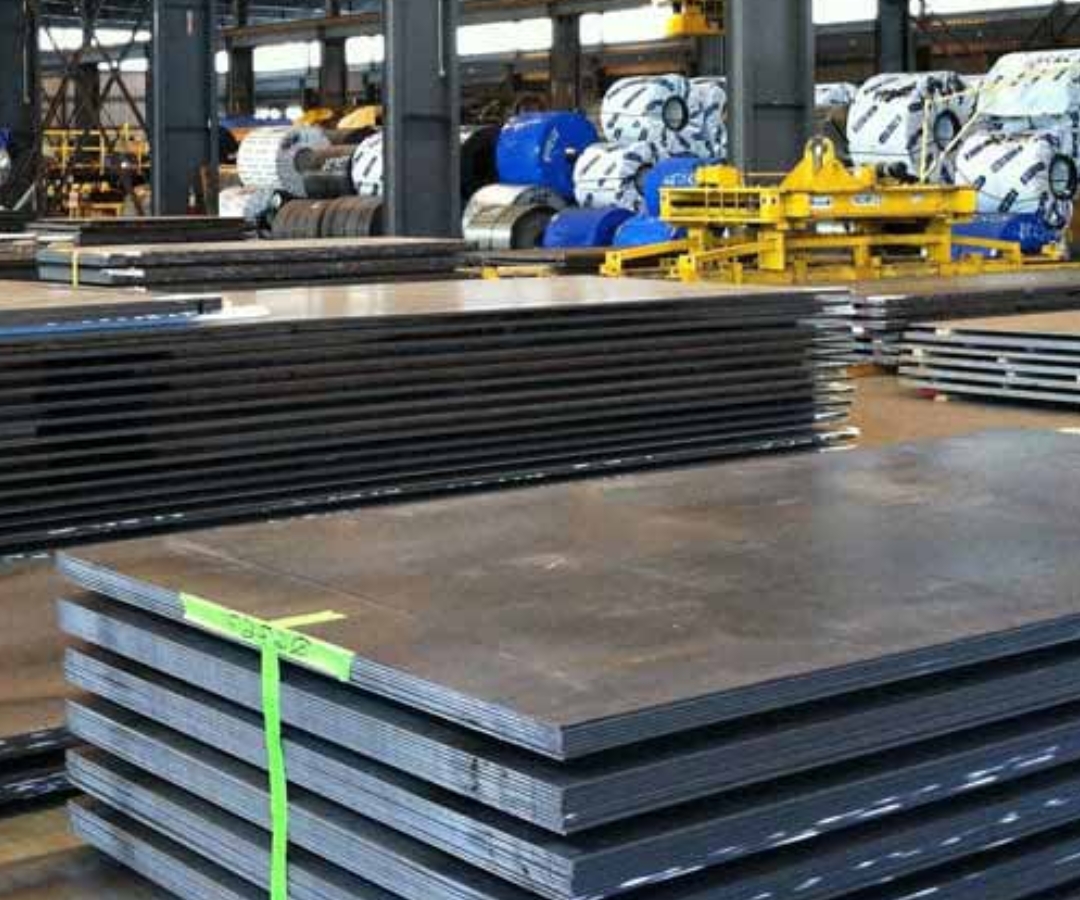
Steel Plates for Heavy-Duty Applications
When a project needs raw strength and durability rather than a fine finish, plates take over. The grade you pick depends entirely on the load, temperature, and wear conditions the plate will face.
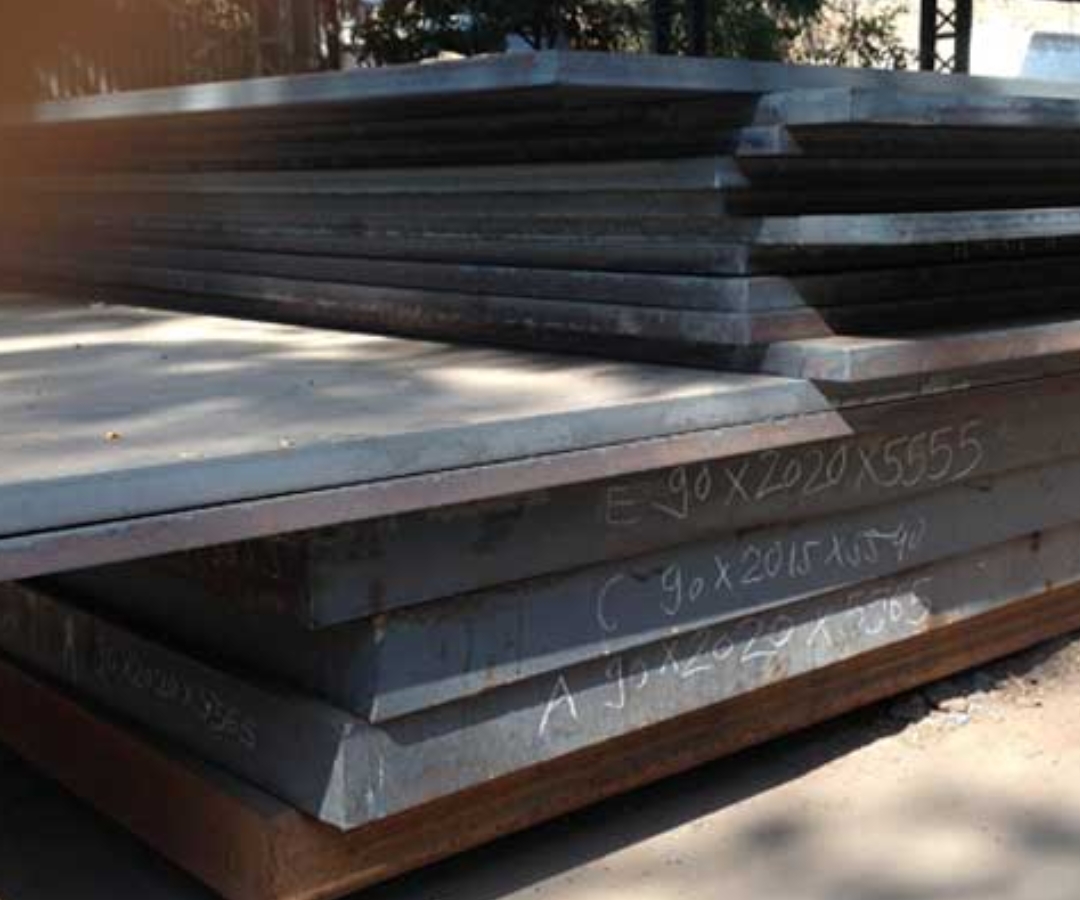
- Mild Steel (MS) Plates – general-purpose plates for fabrication, machinery bases, and structural work.
- Medium Carbon Steel (C45) – higher carbon content for parts that need better strength and wear resistance, like shafts and gears.
- High Tensile Steel Plates – built for load-bearing applications where standard MS plates would flex or fail.
- Boiler Quality Plates – tested for high-pressure, high-temperature environments in pressure vessels and boilers.
- Corten Steel – weathering steel that forms a protective rust layer, popular in architecture and outdoor structures that need minimal maintenance.

TMT Rebars for Construction
No concrete structure holds up without reinforcement. TMT (Thermo-Mechanically Treated) rebars are the industry standard for reinforced concrete because they combine a hard outer surface with a ductile core, giving structures both strength and earthquake resistance.
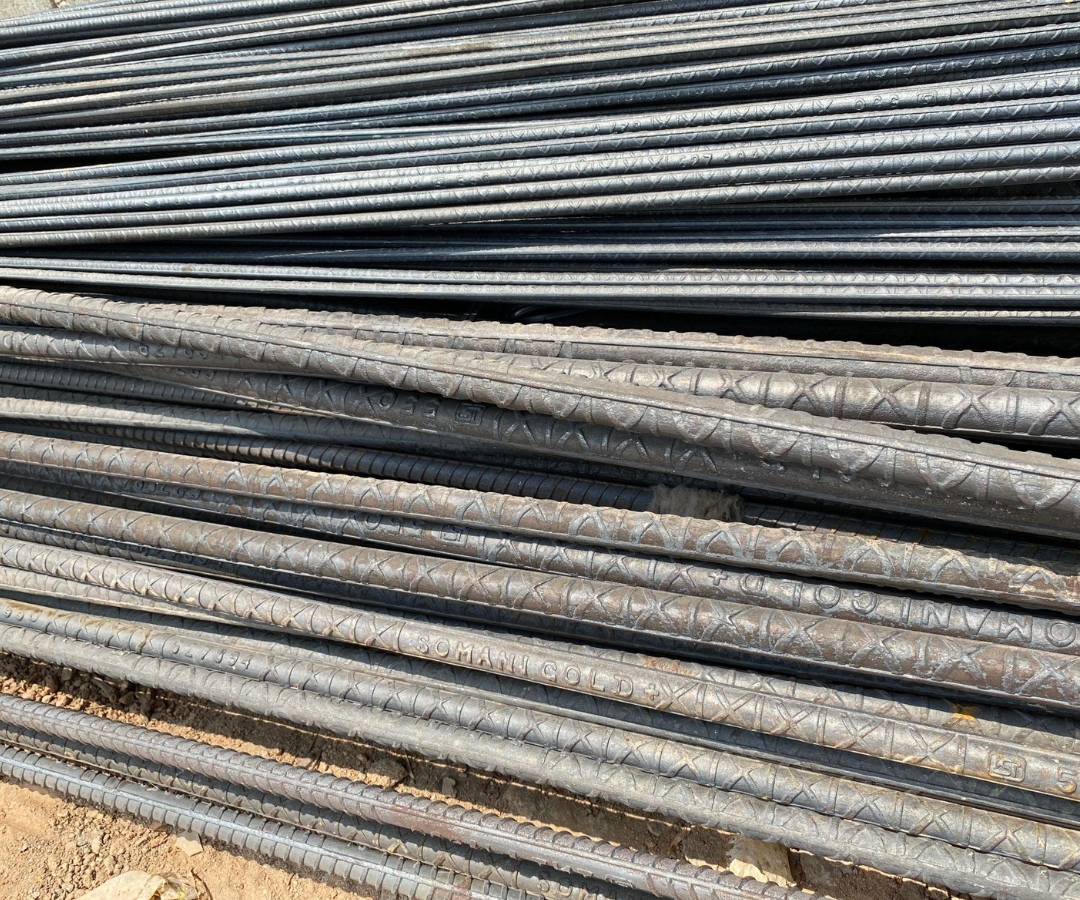
When sourcing TMT bars, check the grade (Fe 500, Fe 500D, Fe 550D are common), diameter range, and certification, since these directly affect how a structure performs under load and over time.
Specialty Steel Products
Beyond the everyday categories, certain projects call for more specific products:
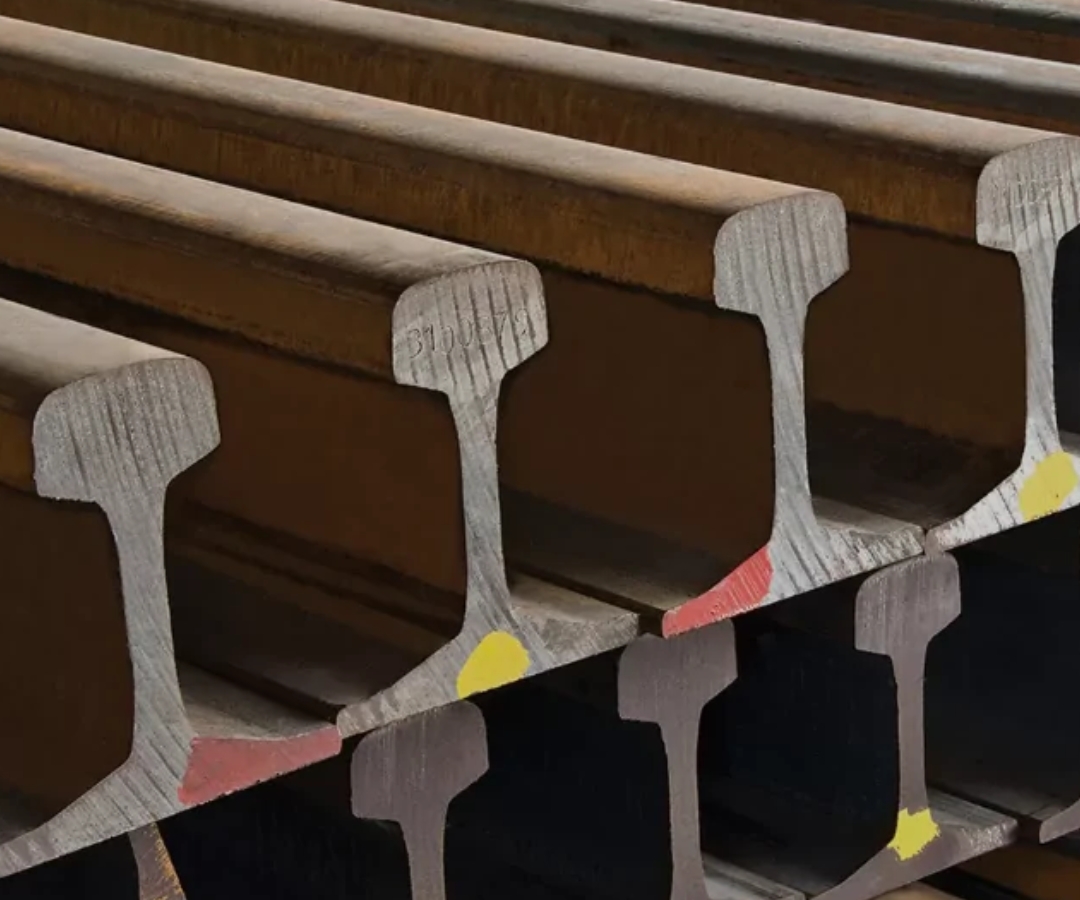
- Crane Rails – precision-rolled rails for overhead and gantry cranes in industrial facilities.
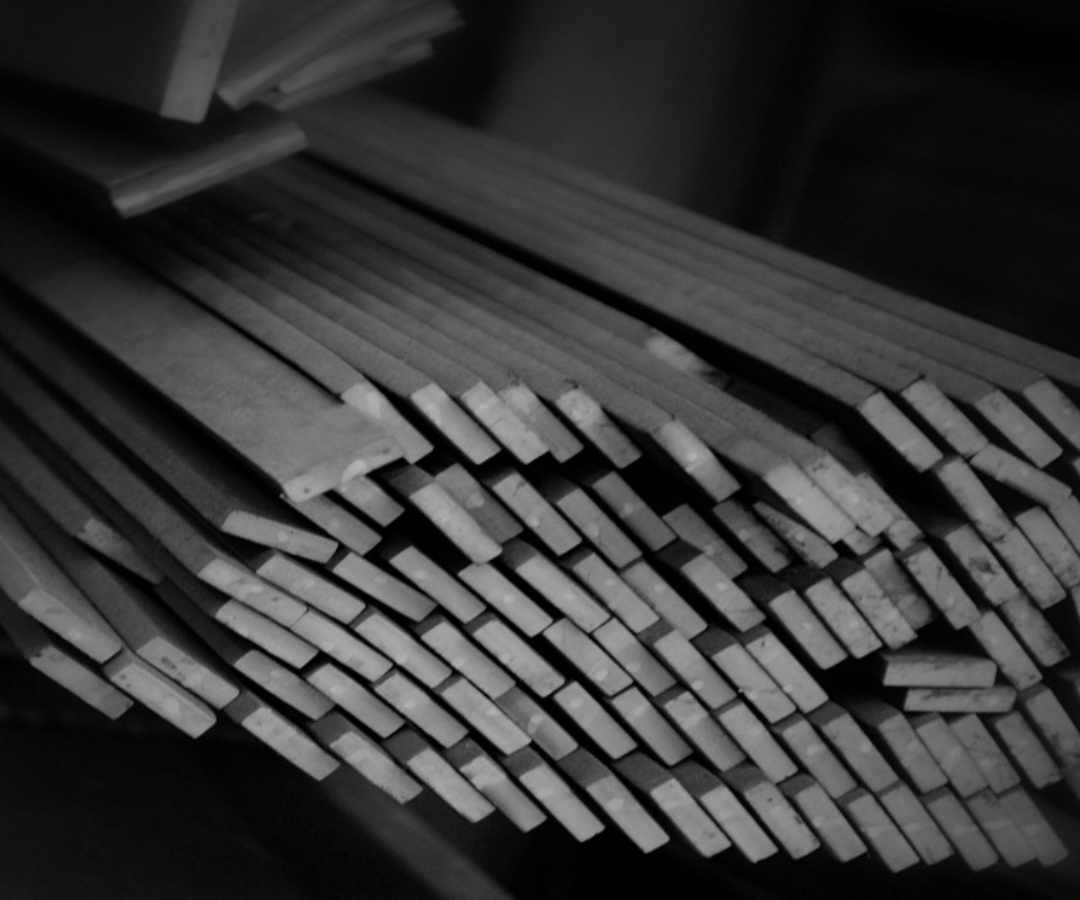
- MS Flats – flat bar stock used in fabrication, railings, and machine frames.
- MS Binding Wire – used to tie rebar cages together on site before concreting.
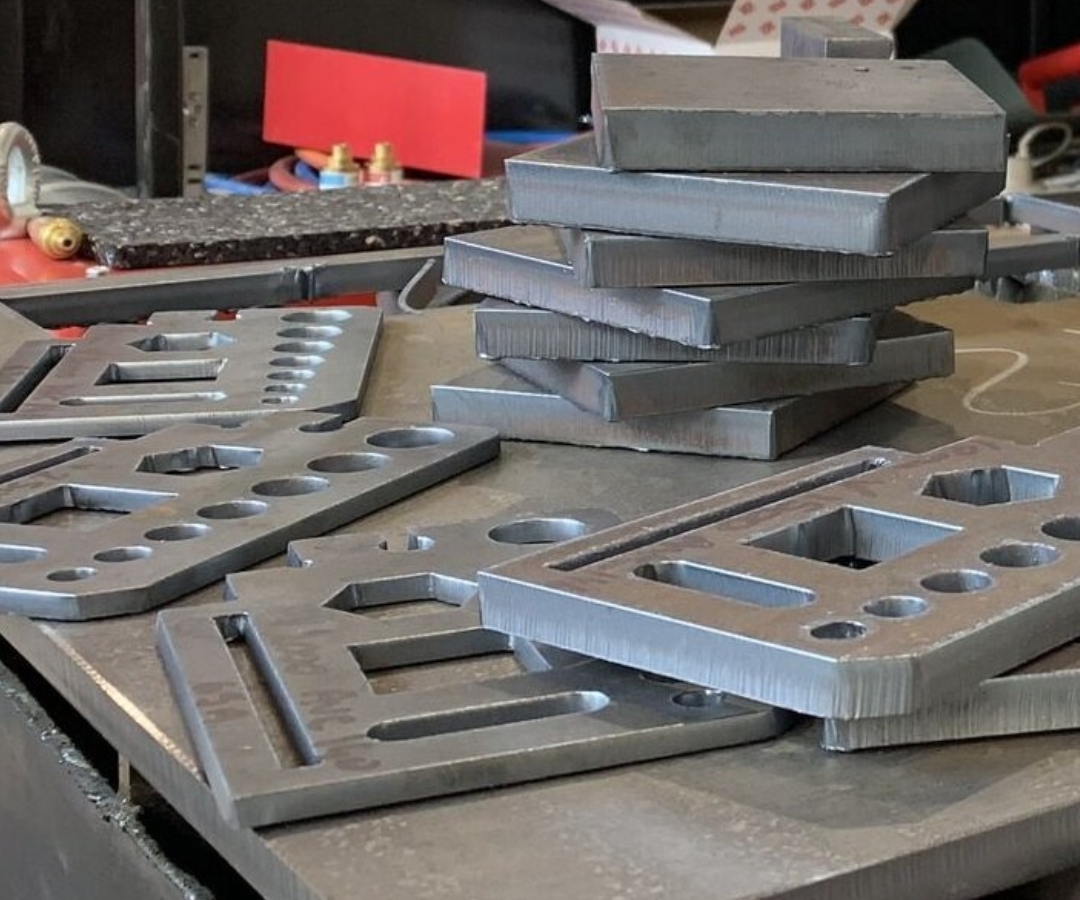
- Profile Cutting – custom-cut steel shapes to your exact drawings, saving fabrication time downstream.
How to Choose the Right Steel Supplier
Product knowledge only gets you halfway. The bigger factor in project timelines is who you buy from. Look for a supplier who can:
- Stock a wide product range so you’re not juggling multiple vendors for one project
- Provide test certificates and consistent grade quality on every batch
- Offer processing services like profile cutting to reduce your fabrication lead time
- Deliver reliably to your site or facility without repeated delays
Sanjay Sales Pvt. Ltd. supplies this full range of structural sections, coils, plates, TMT rebars, and specialty steel products to manufacturers, fabricators, and contractors across Gujarat and beyond, with in-house profile cutting to get your material job-ready faster.
Frequently Asked Questions
What’s the difference between hot rolled and cold rolled steel coils?
Hot rolled coils are processed at high temperature and cost less, while cold rolled coils are re-rolled at room temperature for a smoother finish and tighter tolerances, making them better suited for precision parts.
Which TMT rebar grade should I use for residential construction?
Fe 500 or Fe 500D are commonly used for residential and mid-rise construction, while Fe 550D suits high-load or seismic-prone projects. Always confirm the grade against your structural engineer’s specification.
Can I get steel plates cut to custom sizes?
Yes, profile cutting services allow plates and sections to be cut to your exact drawing, reducing the fabrication work needed at your end.
What is corten steel used for?
Corten steel is a weathering steel used in architecture, sculptures, and outdoor structures where a low-maintenance, rust-finish appearance is desired.
Have a project that needs a specific grade or size? Get in touch with our team for stock availability and a quote.
