
If you’re sourcing steel coils for manufacturing, construction, or fabrication, you’ve probably run into this question early on: hot rolled or cold rolled? The two aren’t interchangeable, and picking the wrong one can mean paying more than you need to — or ending up with material that can’t handle your application.
Here’s a straightforward breakdown to help you decide.
What’s the Difference, Really?
The difference comes down to how the steel is processed.
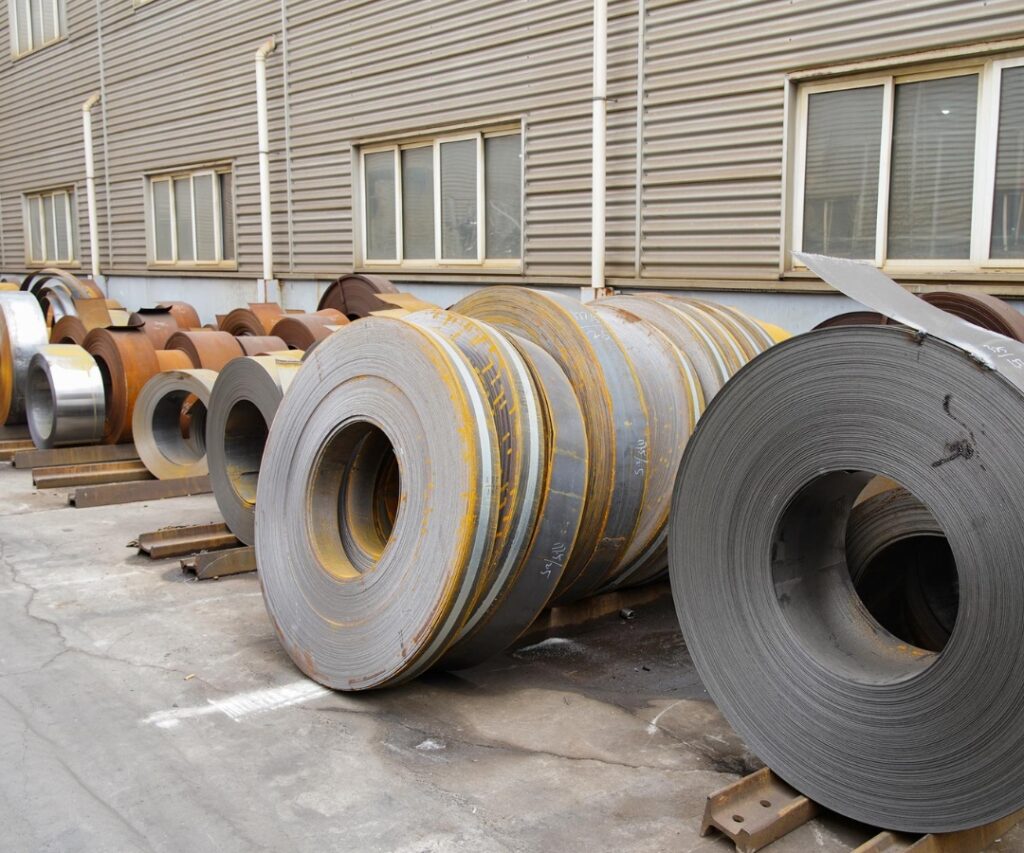
Hot rolled coils are formed by rolling steel at high temperatures, above the metal’s recrystallization point. The steel is easier to shape at this stage, which makes hot rolling faster and more cost-effective. The tradeoff: the finish is rougher, and dimensions are slightly less precise because the steel shrinks as it cools.
Cold rolled coils start as hot rolled steel that’s then processed further at room temperature. This extra step tightens up the tolerances, gives the surface a smoother, cleaner finish, and increases the steel’s strength through work hardening.
When Hot Rolled Coils Make Sense
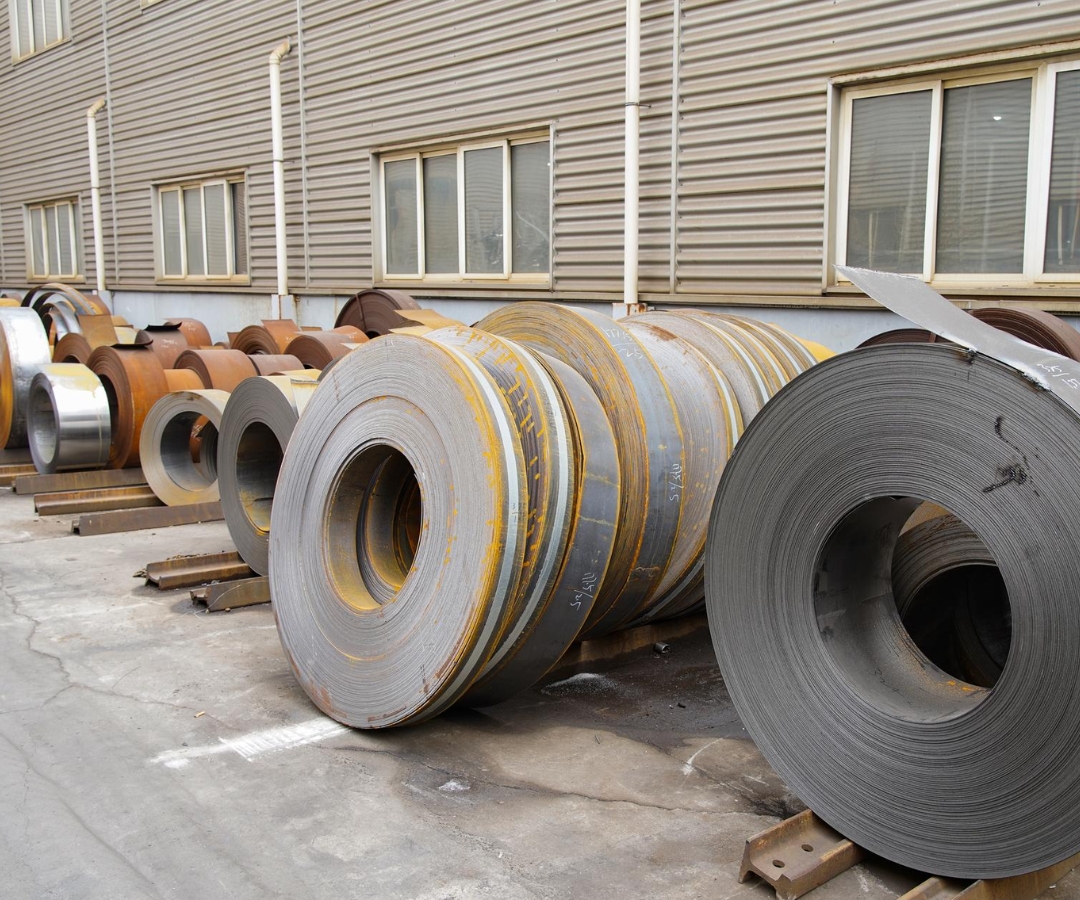
Hot rolled steel is the practical choice when:
- Tight tolerances aren’t critical. Structural components, railway tracks, and heavy machinery parts rarely need mirror-finish precision.
- You need larger sections. Hot rolling handles bigger cross-sections more efficiently than cold rolling.
- Cost matters more than finish. Hot rolled coils are generally more affordable, since they skip the additional processing step.
- The application involves welding or bending. Hot rolled steel handles these processes without the added residual stresses that cold rolled steel can carry.
Common uses: construction beams, agricultural equipment, railway components, and general structural fabrication. Explore our Hot Rolled Coils range for specifications.
When Cold Rolled Coils Make Sense
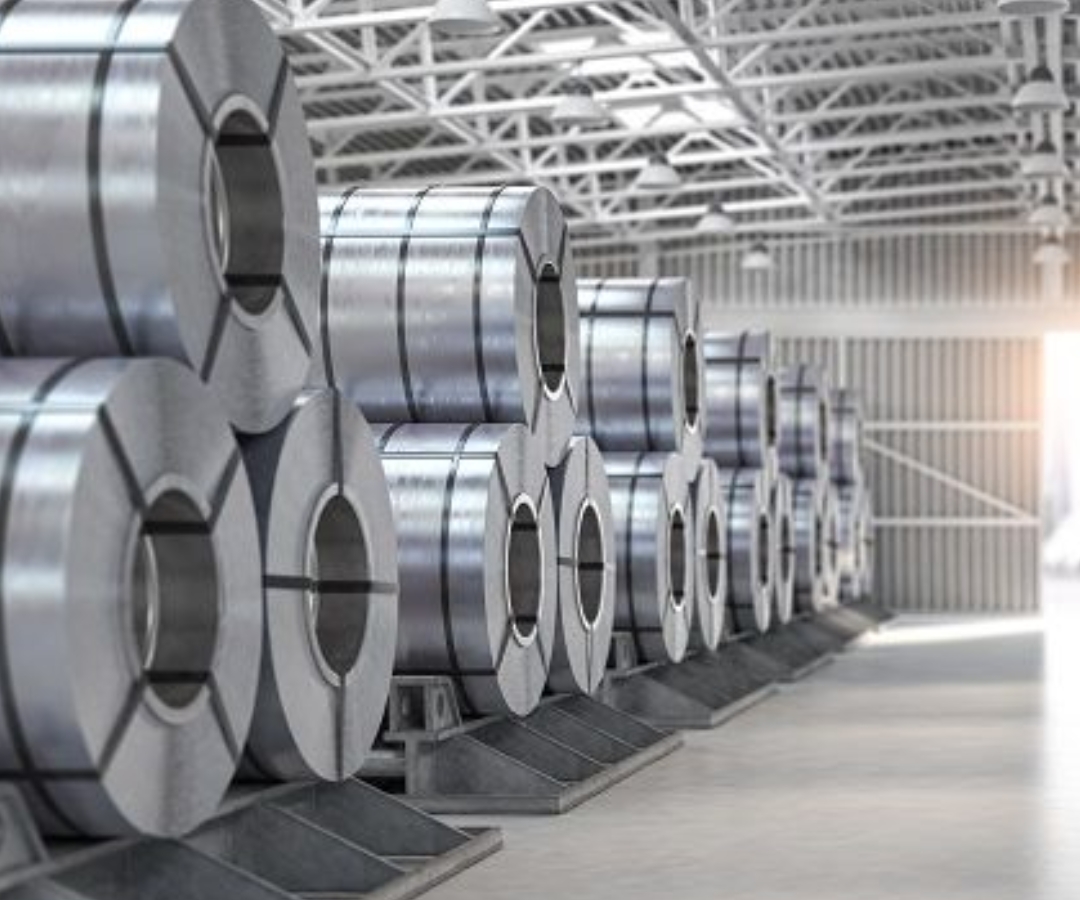
Cold rolled steel is worth the extra cost when:
- Surface finish matters. Appliances, furniture, and visible automotive parts need that smooth, consistent look.
- Precise dimensions are non-negotiable. Cold rolling holds tighter tolerances, which matters for components that need to fit exactly.
- You need higher strength in a thinner section. The work-hardening process increases tensile strength without adding bulk.
- The end product will be painted or coated. A smoother surface takes coatings more evenly.
Common uses: automotive body panels, home appliances, precision-machined parts, and furniture manufacturing. Check out our Cold Rolled Coils range for specifications.
A Quick Side-by-Side
| Factor | Hot Rolled | Cold Rolled |
|---|---|---|
| Surface finish | Rougher, scaled | Smooth, clean |
| Dimensional accuracy | Less precise | Tighter tolerances |
| Strength | Standard | Higher (work-hardened) |
| Cost | Lower | Higher |
| Best for | Structural, heavy-duty use | Precision, cosmetic use |
Still Not Sure Which One Fits Your Project?
The honest answer is that most manufacturers end up using both — hot rolled for structural and load-bearing components, cold rolled for anything precision-fit or visible. The right call depends on your application, budget, and finish requirements.
At Sanjay Sales, we supply both hot rolled and cold rolled steel coils, processed and delivered to your specification. If you’re not sure which grade or gauge fits your project, our team can walk you through it based on what you’re building.
Get in touch for a quote, or ask us which coil type is right for your next project.
